Volcán de Izalco, Sonsonate6 min read
Izalco: the volcano that was a lighthouse
For nearly two centuries it erupted so consistently that ships used it to navigate. Then, in 1958, it stopped.
- Best time to go
- Dry season mornings. Start early — the black scree holds heat and there is no shade whatsoever.
- Getting there
- Access is from the Cerro Verde car park; the trail drops down before it climbs. Same approach as Cerro Verde, ~1h45 from San Salvador.
- Cost
- Park entrance, plus a guide — going up unaccompanied is not advisable.
- How long
- 4–5 hours return from Cerro Verde
Don't miss
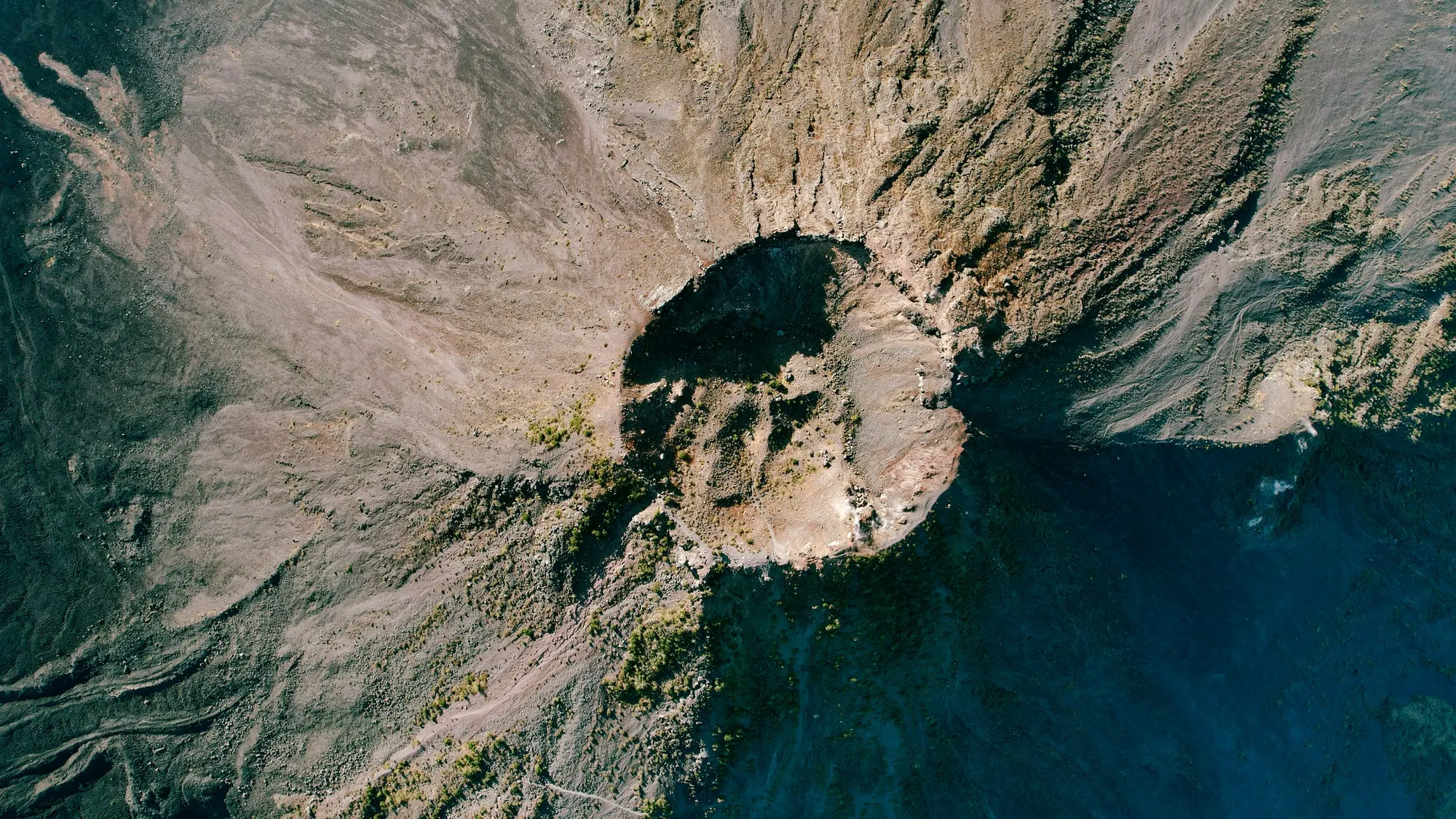
- A cone with no vegetation — geologically too young to have any
- The descent from Cerro Verde before the real climb starts
- Loose volcanic scree that you half-run back down
- Santa Ana and Coatepeque visible from the rim
Izalco is the youngest volcano in El Salvador and it looks it. Where Cerro Verde opposite is dense green forest, Izalco is a bare black cone — the rock is too recent for anything much to have colonised it.
The lighthouse of the Pacific
It began erupting from flat farmland in 1770 and then essentially did not stop for 188 years. The glow was reliable enough at night that sailors used it as a navigation mark, which earned it the name Faro del Pacífico — the Lighthouse of the Pacific.
There is a story Salvadorans tell about the mountain hotel built at Cerro Verde in the 1950s, positioned for guests to watch the eruptions in comfort. By the time it opened in 1958, Izalco had gone quiet. It has stayed quiet since. Whether the timing was quite that neat depends on who is telling it, but the hotel is there and the volcano is dormant.
The climb
This is a harder hike than the distance suggests, for one specific reason: you go down before you go up. The trail drops several hundred metres from Cerro Verde into the saddle, and everything you descend on the way out has to be reclimbed on the way back — after the summit.
The cone itself is loose volcanic scree. Progress is roughly three steps up, one back. There is no shade, no water and no shelter anywhere on the route. It is not technical and it does not need equipment, but it does need honest fitness.
Coming down is the compensation: the scree lets you take long sliding strides, and the descent takes a fraction of the time the ascent did.
Is it worth it
If you only have time for one volcano, Santa Ana is the better hike — the crater lake at the top is the more memorable summit. Izalco is for people who want the stranger landscape: a mountain with nothing growing on it, black to the horizon in every direction, less than three hundred years old.
Practical
Go with a guide. The route is not obvious in poor visibility and the scree is unforgiving. Closed boots — trail runners fill with grit within minutes.
Find it
Volcán de Izalco · Izalco · Sonsonate, El Salvador
- Coordinates
13.8133, -89.6333- Elevation
- 1,950 m
- Hiking
- Volcanoes
- Nature