Playa El Sunzal, La Libertad7 min read
El Sunzal without the contest: learning on a world-class wave
The other El Sunzal — no judging towers, a forgiving inside section, and most of the people in the water still learning to stand up.
- Best time to go
- Morning, before the afternoon wind puts texture on it. The wave works most of the year; ISA contests cluster around September and October.
- Getting there
- About 45 minutes from San Salvador on the Carretera Litoral, half an hour from Santa Tecla. Parking along the point is informal — someone will want a dollar or two.
- Cost
- Free to be there. Board rental and lessons are negotiated on the spot and nothing is posted, so agree the rate and what it covers before you paddle out.
- How long
- A morning session, or a full day with El Tunco
Don't miss
- A long right point that separates into an expert outside and a forgiving inside
- The best wave in El Salvador to stand up on for the first time
- Thatched comedores and restaurants lining the sand above the point
- El Tunco five minutes east — the hostels and bars are there, the quiet is here
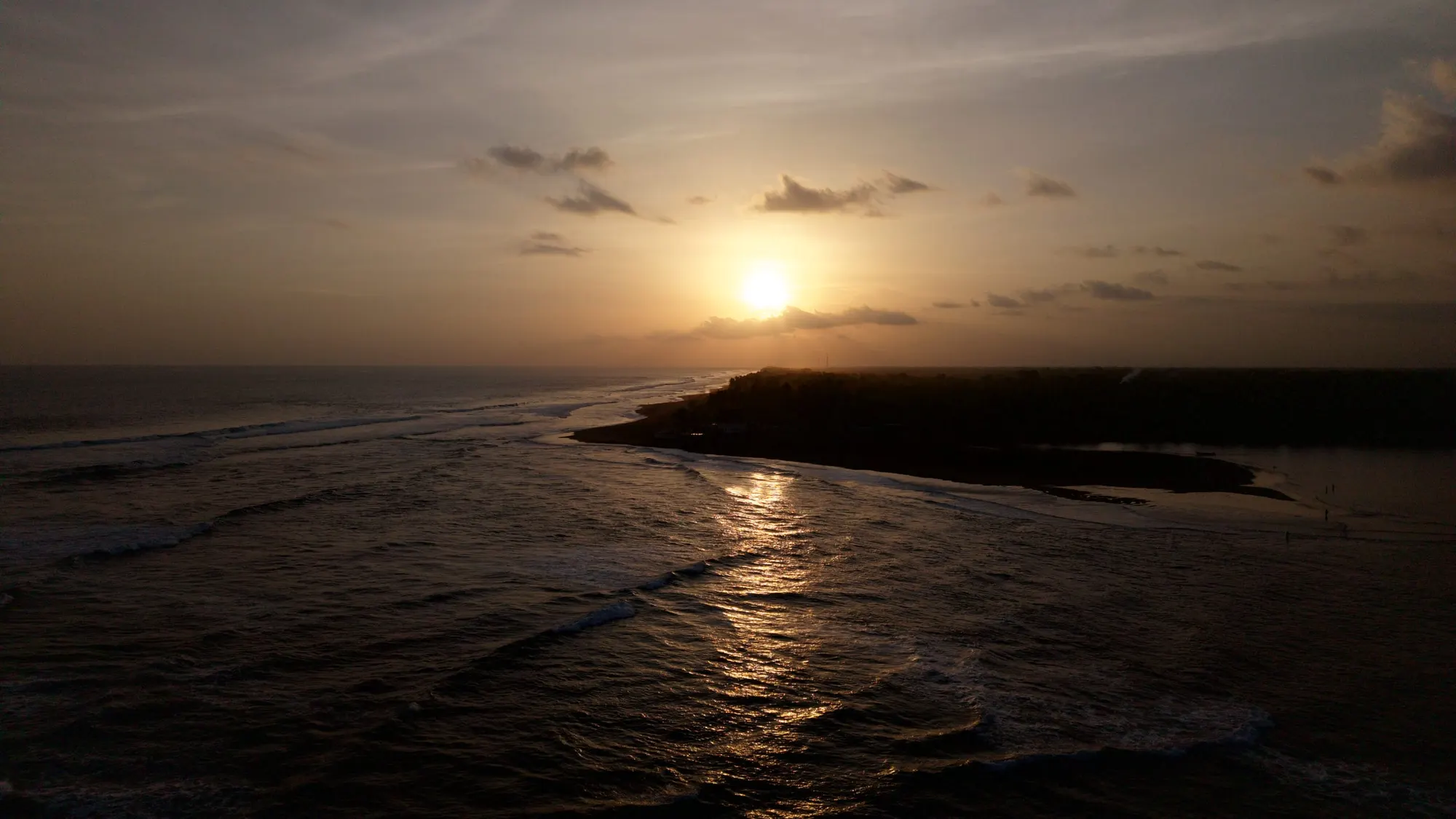
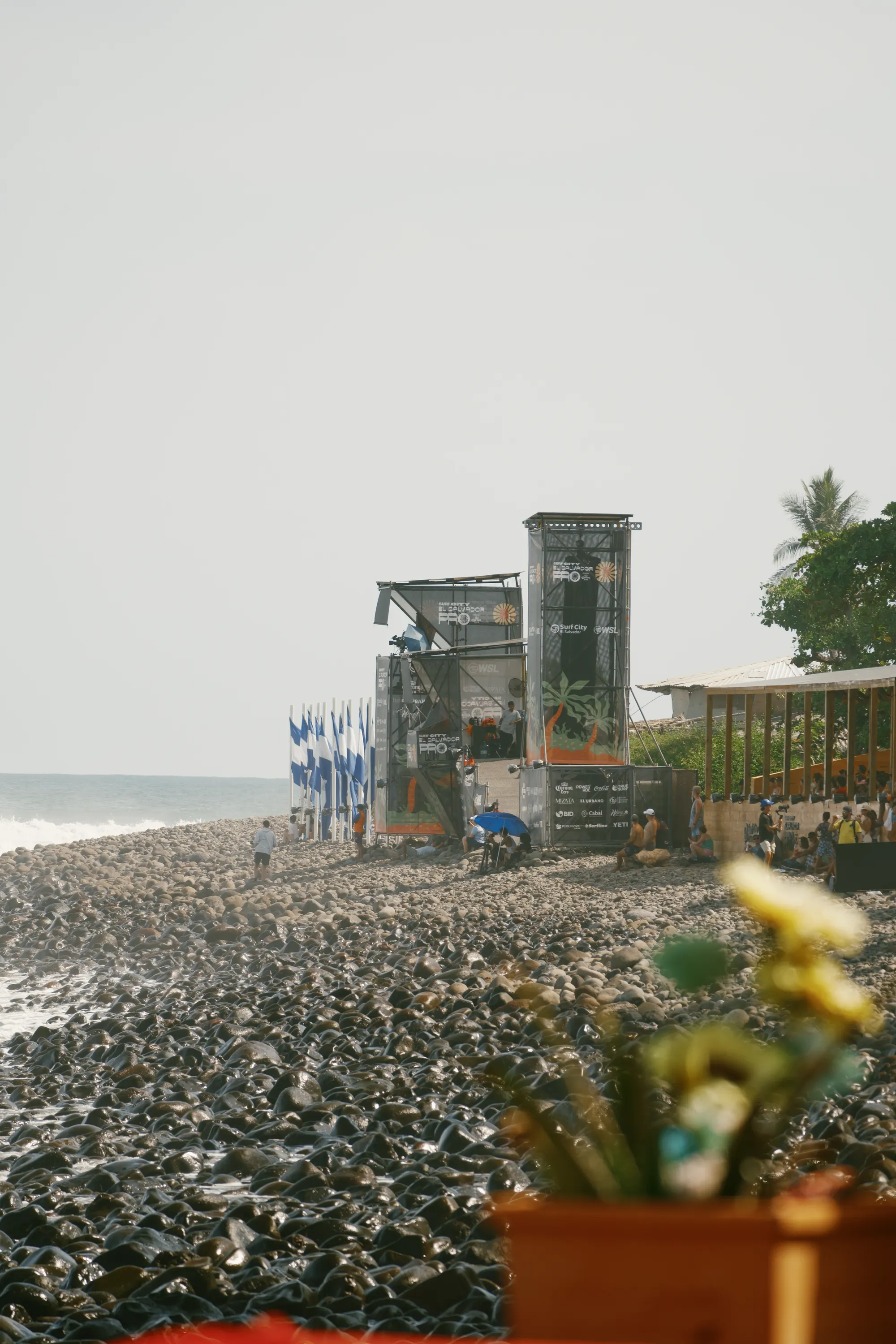
There are two El Sunzals. One of them has scaffolding, judging towers and 297 competitors from 61 countries, and it turns up for ten days when the ISA brings a world championship to Surf City. The other one is what is there the rest of the year, and it is the reason the first one exists.
On an ordinary Tuesday this is a long, unhurried right-hand point in La Libertad where most of the people in the water are learning.
Why beginners can surf a world-class wave
Most famous waves are famous for being difficult. El Sunzal is famous for being long, which is a different thing entirely.
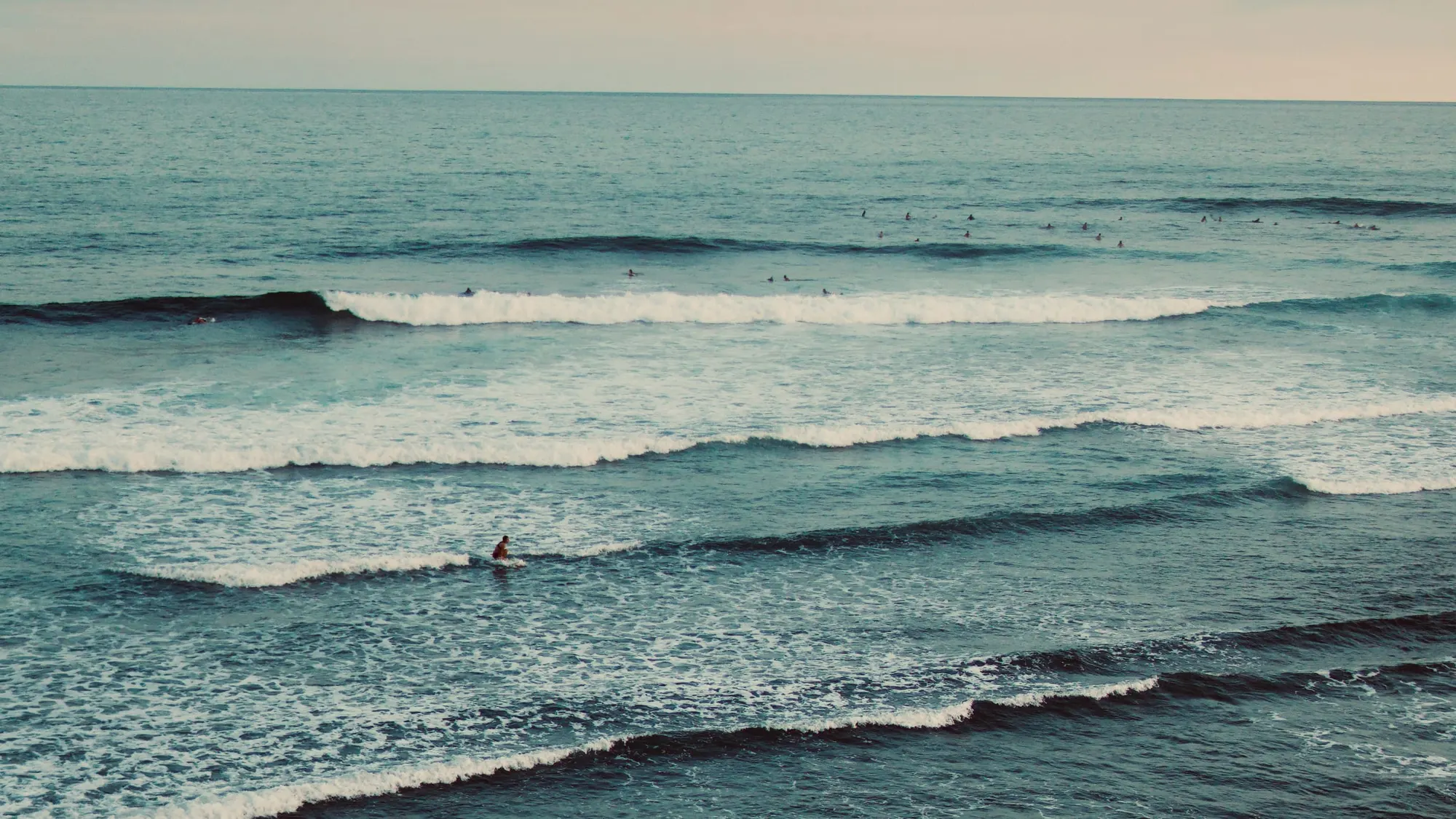
The swell hits the point and peels off down the line rather than dumping all at once. That gives you a wall that keeps going, and — more usefully — it separates the wave into sections. The outside has the size and the push, and that is where anyone who surfs for a living will be sitting. The inside re-forms softer over sand and cobble, and that is where the schools put their students.
The two groups barely interact, which is the whole trick. You can be standing up for the first time a hundred metres from someone doing turns on the same wave.
It is not a beach break, so there is no shifting peak to chase and no closeout sets slamming you on sand. It is also not Punta Roca down the coast, which is a proper reef and should be treated as one.
Reading the lineup
The crowd sits in a recognisable clump out the back, and the clump tells you where the wave breaks. That is genuinely useful information on your first morning: watch for five minutes before you paddle out and you will learn more than any amount of asking.
What you should not do is paddle straight to that clump. The outside peak is where the locals and the visiting pros are, priority there is real, and a beginner sitting in it is both in danger and in the way. Go to the inside. There is more than enough wave.
Standard etiquette applies, and it applies more here than at an empty beach: the surfer closest to the peak has right of way, do not paddle through the shoulder of someone riding, and if you fall, hold on to your board.
The beach itself
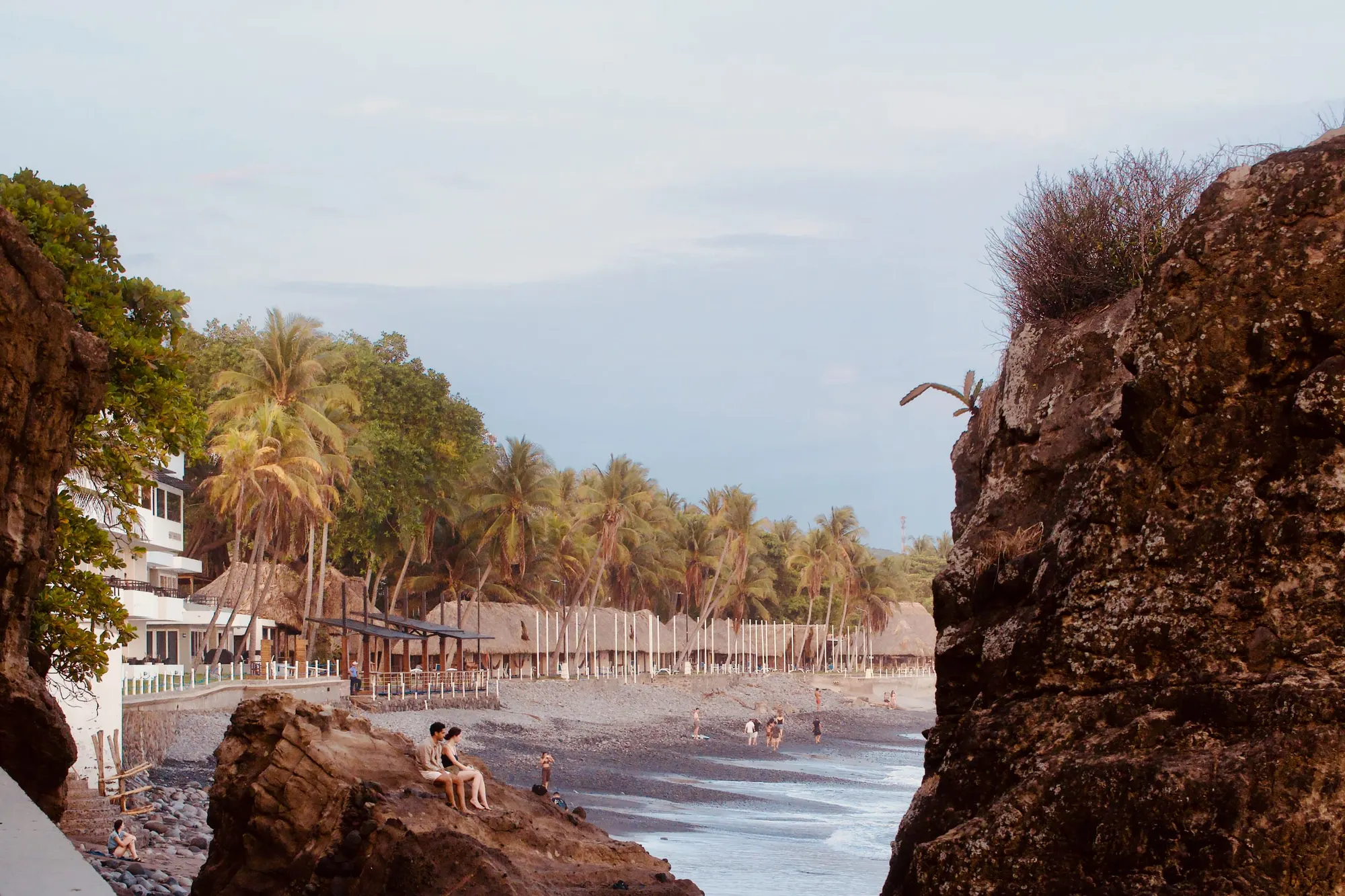
Worth being honest about: this is not a lie-down-on-the-sand beach. The shore is dark grey sand mixed with rounded cobbles, there are large rock outcrops at either end of the bay, and the shorebreak dumps hard onto stones. Footwear helps. Swimming here is for people who are comfortable in moving water.
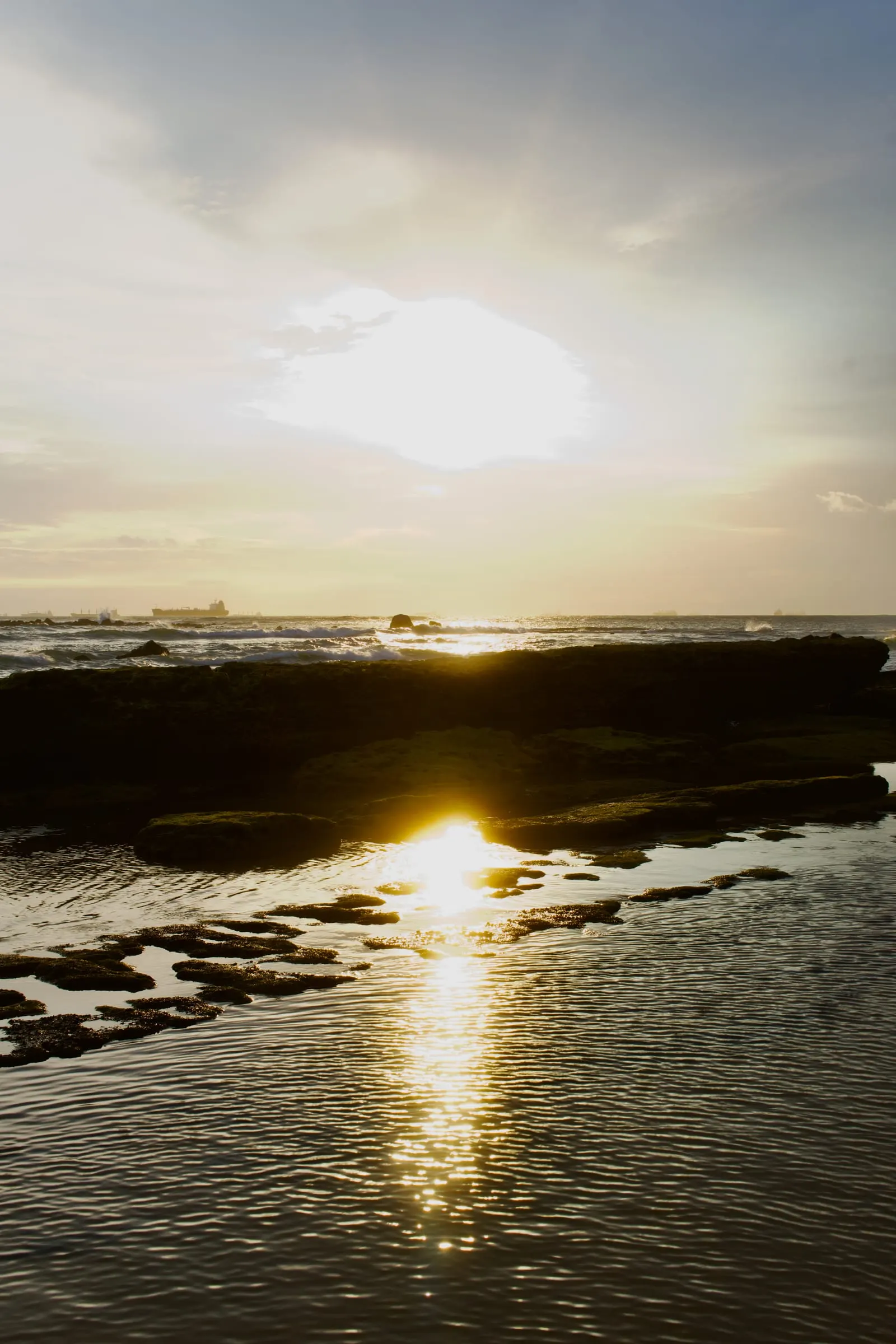
The compensation is that it is a genuinely beautiful stretch of coast, particularly late in the day, and it is lined with thatched comedores and beachfront restaurants that put chairs out facing the water.
Boards and lessons
There is a rental board and an instructor at roughly every second storefront along the point, and none of them post prices.
Agree the rate before you paddle out, and agree what it covers — an hour, two hours, a board for the day. Beginners should be on a big soft-top; if someone tries to put you on a short board for your first session, find someone else. Rates are broadly what you would expect in a Central American beach town rather than what you would pay in California.
Mornings are the better session. The wind tends to come up in the afternoon and put texture on everything.
El Tunco is five minutes away
El Tunco is a short walk east along the beach, and the practical division between the two is simple: El Tunco has the hostels, the bars and the noise; El Sunzal has the wave and the quiet. Most people sleep in El Tunco and surf both.
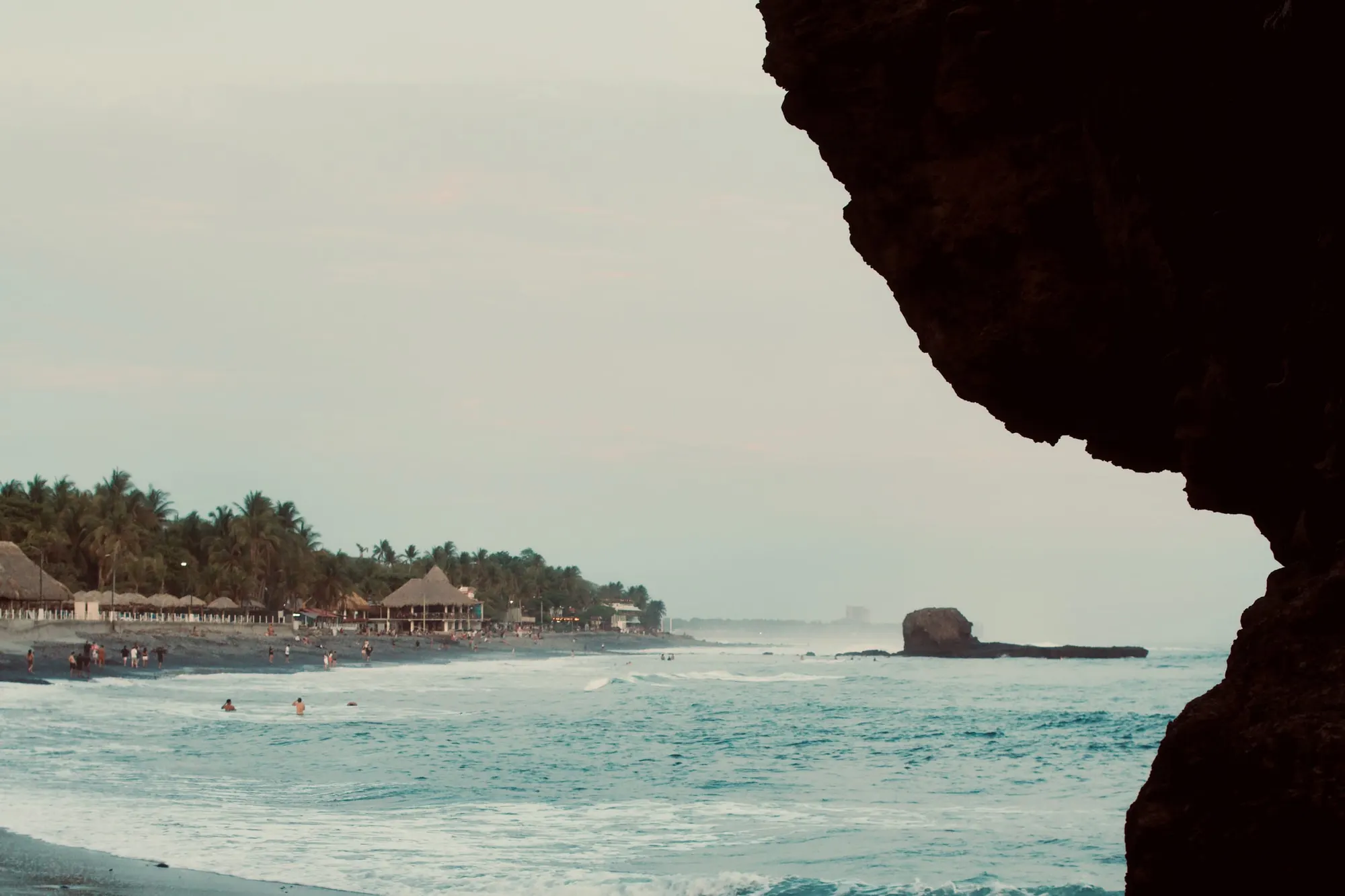
El Tunco's own landmark, the rock the town is named for, sits off its beach, and the rock stacks along this whole stretch are what make the coastline photograph the way it does.
Practical
About 45 minutes from San Salvador on the Carretera Litoral, and closer to half an hour from Santa Tecla. Parking along the point is informal and someone will want a dollar or two to watch your car.
Bring cash, bring reef-safe sunscreen, and bring something for your feet. Watch for the rocks at the ends of the bay and stay off them when there is any size running. If you are unsure about a rip, ask an instructor — they are in the water all day and they will tell you straight.
The wave works most of the year. If you want to watch a contest rather than surf, check the Surf City calendar first — the ISA events cluster around September and October.
Find it
Playa El Sunzal · Tamanique · La Libertad, El Salvador
- Coordinates
13.4930, -89.3888- Elevation
- 5 m
- Surfing
- Sport
- Swimming